📩 info@irisprotectionservices.com 📲 (657) 214-0877 🏛️ Iris Protection Services, Inc 🛂 License No. PPO120833

What Does a Security Guard Actually Do During a Shift? A Complete Breakdown
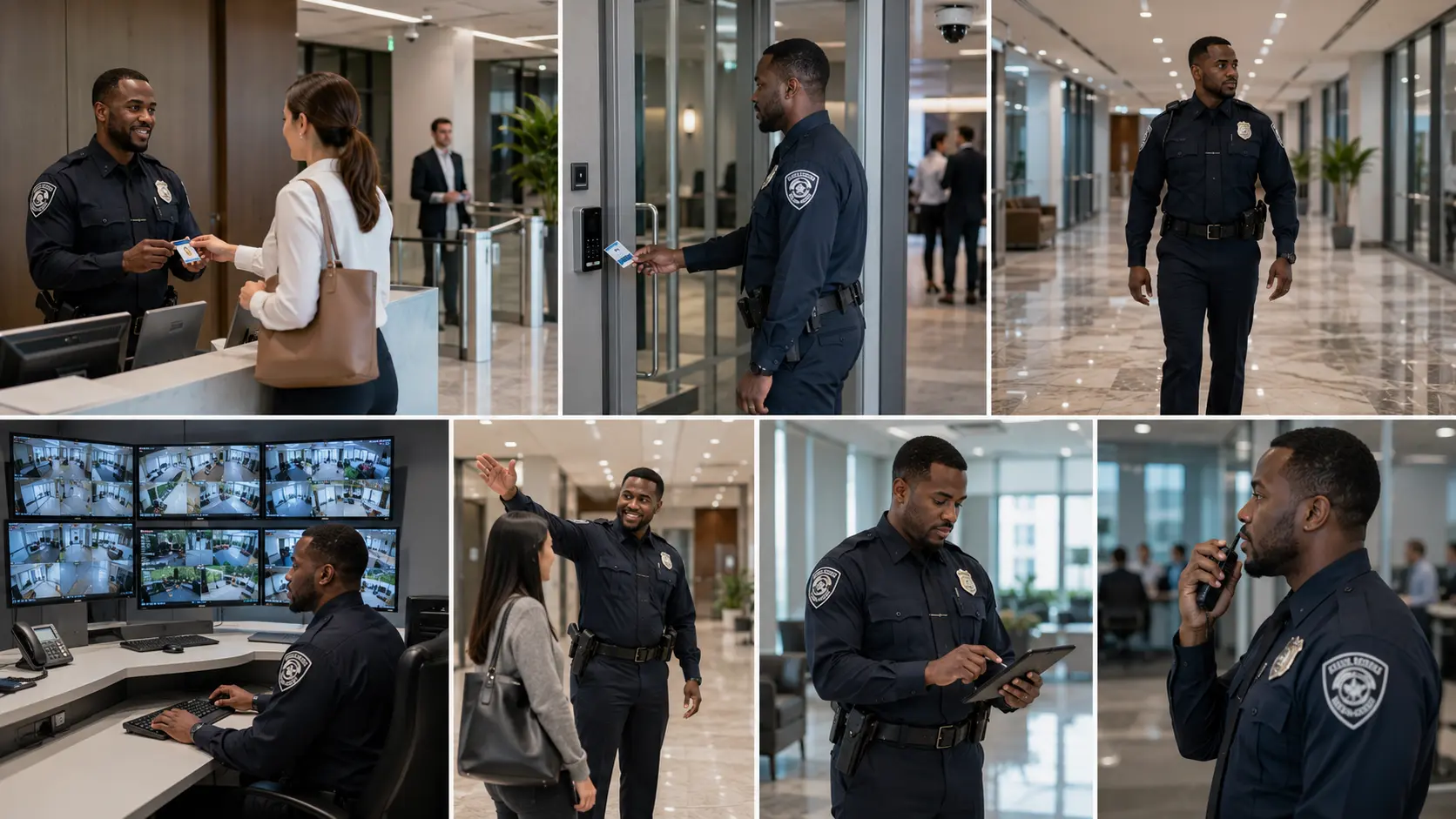
Security guards are often associated with standing at entrances or patrolling parking lots, but their responsibilities extend far beyond simply maintaining a visible presence. Every shift involves a combination of observation, prevention, communication, and rapid response, all aimed at protecting people, property, and business operations.
Whether assigned to a commercial office, warehouse, construction site, healthcare facility, hotel, retail store, or residential community, professional security guards follow structured procedures designed to reduce risks before they become costly incidents. Their work helps deter criminal activity, enforce site policies, assist visitors, and provide a reassuring presence that promotes safety.
If you’ve ever wondered what security guards actually do during a typical shift, here’s a closer look at the daily responsibilities that make them an essential part of a comprehensive security strategy.
Starting the Shift: Preparing for Duty
A successful shift begins long before the first patrol. Professional security guards typically arrive early to receive a briefing and prepare for the responsibilities ahead.
Preparation may include:
- Reviewing incident reports from the previous shift
- Receiving updates about ongoing security concerns
- Inspecting uniforms and required equipment
- Testing radios and communication devices
- Reviewing site-specific post orders
- Confirming emergency procedures
- Checking keys, access cards, or patrol devices
This preparation ensures that guards understand current risks, operational priorities, and any special instructions before assuming responsibility for the property.
Monitoring Access Points
One of the most important responsibilities during a shift is controlling who enters and exits a property.
Depending on the facility, security guards may:
- Verify employee identification
- Register visitors
- Check delivery vehicles
- Confirm contractor authorization
- Monitor loading docks
- Inspect restricted access areas
- Enforce visitor sign-in procedures
- Issue temporary access credentials
Effective access control helps prevent unauthorized entry while maintaining an orderly flow of employees, visitors, vendors, and service providers.
Conducting Security Patrols
Routine patrols are among the most visible aspects of a security guard’s job. However, patrols are much more than simply walking around a property.
During patrols, guards actively inspect the premises for potential security or safety issues, including:
- Unlocked doors
- Broken windows
- Damaged fencing
- Suspicious individuals
- Signs of forced entry
- Fire hazards
- Water leaks
- Equipment malfunctions
- Poor lighting
- Unsafe conditions
Patrols may be conducted:
- On foot
- By vehicle
- Using bicycles
- Through designated checkpoints
- At random intervals to reduce predictability
By regularly inspecting the property, guards can identify concerns before they develop into larger security incidents.
Monitoring CCTV and Security Systems
Many modern facilities rely on technology to strengthen physical security, and security guards often oversee these systems throughout their shift.
Common responsibilities include monitoring:
- CCTV camera feeds
- Intrusion alarms
- Fire alarm systems
- Motion detectors
- Access control systems
- Parking surveillance
- Perimeter security systems
Rather than passively watching monitors, trained security guards actively observe for unusual activity, investigate suspicious behavior, and coordinate appropriate responses when alerts occur.
Technology enhances security, but it still requires trained personnel to interpret situations and make informed decisions.
Preventing Security Incidents Before They Happen
One of the most valuable aspects of professional security is prevention.
A visible, attentive security presence can discourage many forms of criminal activity before they occur.
Security guards routinely watch for:
- Suspicious behavior
- Loitering
- Unauthorized access attempts
- Potential theft
- Vandalism
- Workplace conflicts
- Safety violations
- Unattended packages
- Trespassing
In many cases, simply engaging with individuals, increasing patrol visibility, or addressing concerns early can prevent incidents from escalating.
This proactive approach helps businesses reduce losses while creating a safer environment for employees and visitors.
Responding to Emergencies
Despite preventive efforts, emergencies can still occur. Security guards are often among the first individuals to respond when unexpected situations arise.
Depending on their training and site procedures, they may respond to:
- Medical emergencies
- Fire alarms
- Suspicious packages
- Active security threats
- Workplace disturbances
- Break-ins
- Property damage
- Severe weather
- Power outages
- Evacuations
Their responsibilities may include:
- Assessing the situation
- Notifying emergency services
- Directing evacuations
- Securing affected areas
- Providing accurate information to responders
- Helping maintain order until emergency personnel arrive
A prompt and organized response can significantly reduce confusion and improve overall safety during critical events.
Assisting Employees, Visitors, and Customers
Security guards are often the first people visitors encounter when arriving at a facility. As a result, customer service frequently becomes an important part of the role.
Daily interactions may include:
- Providing directions
- Escorting visitors
- Assisting employees after dark
- Helping locate departments or offices
- Answering general questions
- Managing visitor check-in procedures
- Coordinating deliveries
- Offering assistance during emergencies
Professional communication helps create a welcoming environment while maintaining security standards.
Documenting Daily Activities and Incidents
Accurate documentation is a critical part of every security shift.
Professional security guards regularly complete reports that create a detailed record of events occurring throughout the day.
Common reports include:
Daily Activity Reports (DAR)
These summarize routine activities such as:
- Patrol times
- Visitor activity
- Deliveries
- Equipment inspections
- Shift observations
Incident Reports
When unusual events occur, guards document:
- Date and time
- Location
- Individuals involved
- Observations
- Actions taken
- Witness information
- Supporting photographs or evidence when appropriate
These reports help clients understand security events and may assist with internal investigations, insurance claims, or law enforcement inquiries.
Coordinating with Law Enforcement and Emergency Responders
Although security guards are not police officers, they often work alongside local emergency responders when incidents require additional assistance.
Their role may include:
- Securing the scene
- Preserving evidence
- Directing responding personnel
- Providing witness information
- Sharing surveillance footage
- Managing crowds
- Controlling access to affected areas
Clear communication between private security personnel and emergency responders helps ensure an organized response.
Security Guard Duties Vary by Industry
Every property has unique risks, which means security responsibilities differ depending on the environment.
| Industry | Typical Security Responsibilities |
|---|---|
| Office Buildings | Visitor management, access control, patrols, emergency response |
| Construction Sites | Equipment protection, perimeter patrols, theft prevention |
| Warehouses & Logistics | Cargo security, truck inspections, loading dock monitoring |
| Healthcare Facilities | Visitor screening, emergency assistance, patient area security |
| Hotels & Hospitality | Guest assistance, lobby monitoring, incident response |
| Retail Stores | Loss prevention, customer safety, theft deterrence |
| Residential Communities | Gatehouse operations, resident assistance, patrols |
| Manufacturing Facilities | Restricted area monitoring, safety checks, access control |
| Educational Campuses | Visitor management, event security, emergency preparedness |
Professional security companies customize post orders and patrol procedures based on each client’s operational needs.
What Security Guards Do Not Do
There are several misconceptions about the authority and responsibilities of private security guards.
While duties vary by assignment and applicable laws, security guards generally do not:
- Replace law enforcement agencies
- Conduct criminal investigations like detectives
- Provide legal advice
- Exercise unlimited enforcement authority
- Use unnecessary force
- Ignore established site procedures
Instead, professional guards focus on observation, prevention, documentation, communication, and appropriate response within the scope of their training and applicable regulations.
Why Every Task Matters
Some security responsibilities may appear routine, but each contributes to reducing risk and improving overall safety.
Consistent patrols can discourage criminal activity.
Access control helps prevent unauthorized entry.
Surveillance monitoring enables quicker responses to suspicious behavior.
Incident reporting creates valuable documentation.
Visible security personnel provide reassurance to employees, customers, residents, and visitors.
Together, these daily responsibilities help reduce theft, vandalism, workplace disruptions, liability exposure, and property damage while supporting normal business operations.
Choosing a Professional Security Company
The effectiveness of a security program depends on more than simply assigning personnel to a location.
A reputable security provider should supply licensed, trained professionals who understand site-specific procedures, communicate effectively, maintain detailed documentation, and respond appropriately to changing situations.
When evaluating security services, consider factors such as:
- Licensing and regulatory compliance
- Industry experience
- Customized security plans
- Ongoing guard training
- Patrol verification systems
- Clear communication
- Detailed reporting
- Responsive supervision
Choosing the right security partner helps ensure that guards are prepared to protect your people, property, and daily operations.
Frequently Asked Questions
What are the primary duties of a security guard?
Security guards help protect people, property, and assets by monitoring access points, conducting patrols, observing surveillance systems, responding to incidents, documenting activities, and assisting visitors when needed.
How often do security guards patrol a property?
Patrol frequency depends on the property’s security requirements. Some locations require continuous patrols, while others use scheduled or randomized patrol intervals to maximize effectiveness.
Do security guards monitor surveillance cameras?
Yes. Many guards monitor CCTV systems, alarms, and access control systems while remaining prepared to investigate suspicious activity or respond to alerts.
Can security guards respond to emergencies?
Yes. Security guards are trained to respond according to site procedures by assessing situations, contacting emergency services, assisting evacuations, securing affected areas, and supporting first responders when appropriate.
Do security guards write reports?
Yes. Professional guards document routine activities and security incidents through Daily Activity Reports (DARs) and Incident Reports, providing clients with an accurate record of events.
Are security guard duties the same for every business?
No. Responsibilities vary depending on the type of property, operational risks, industry requirements, and the client’s specific security objectives.
Conclusion
A professional security guard’s shift involves far more than standing watch. From conducting patrols and monitoring surveillance systems to controlling access, responding to emergencies, documenting incidents, and assisting visitors, security guards play a vital role in maintaining safe and secure environments.
Every task performed during a shift contributes to a larger security strategy focused on prevention, preparedness, and rapid response. Whether protecting an office building, construction site, warehouse, healthcare facility, hotel, or residential community, trained security professionals help businesses reduce risk, protect valuable assets, and provide peace of mind for everyone on the property.