📩 info@irisprotectionservices.com 📲 (657) 214-0877 🏛️ Iris Protection Services, Inc 🛂 License No. PPO120833

How to Identify and Reduce Security Vulnerabilities in Your Business
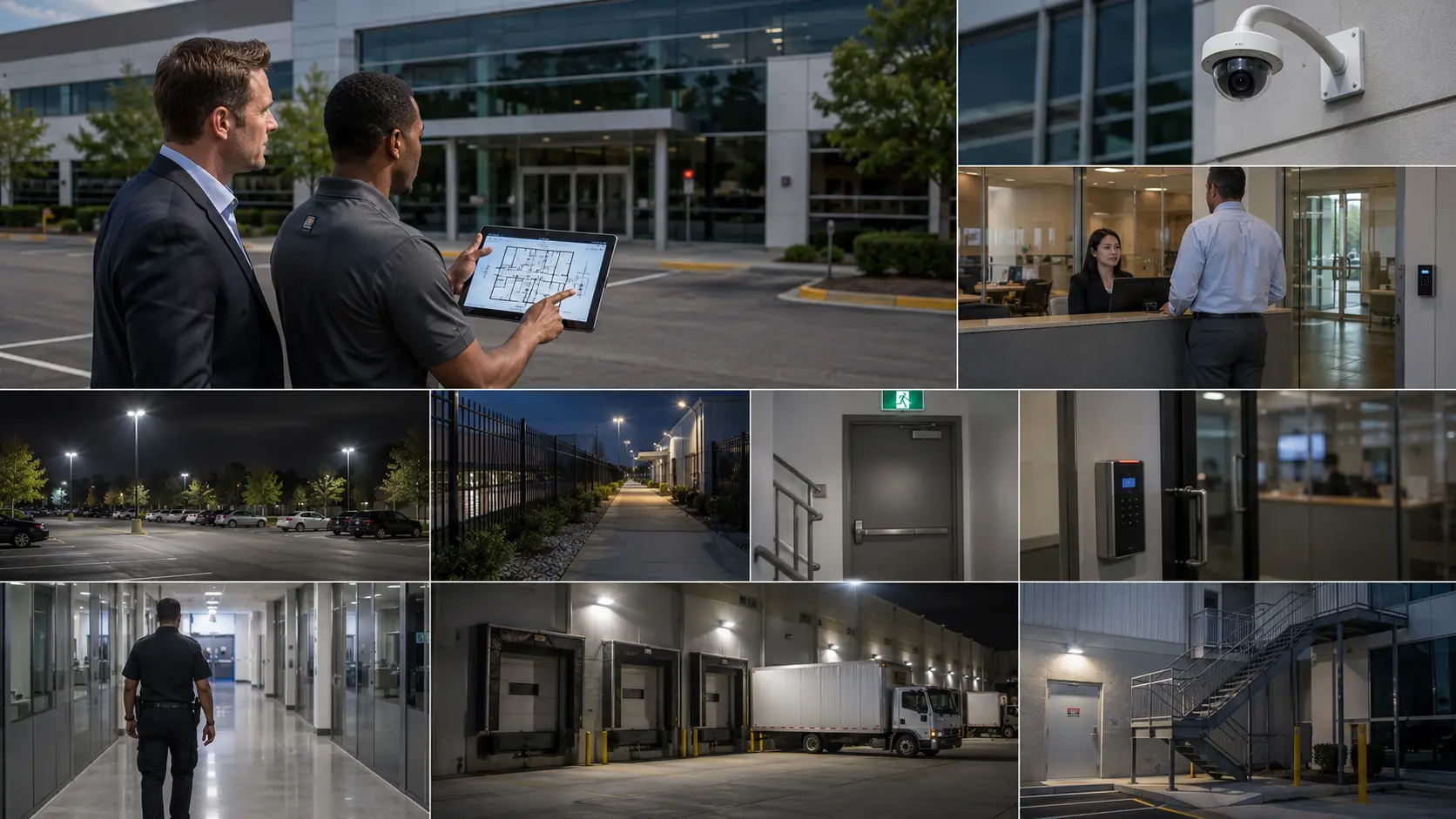
No business is completely immune to security risks. Whether you operate a retail store, office building, warehouse, construction site, hotel, healthcare facility, or manufacturing plant, vulnerabilities can develop over time due to changing operations, aging infrastructure, employee turnover, or evolving criminal tactics.
Many security incidents occur because of weaknesses that could have been identified and addressed before an incident happened. An unlocked service door, poor parking lot lighting, outdated access control systems, or inconsistent security procedures may seem minor individually, but together they can create opportunities for theft, vandalism, trespassing, or workplace violence.
The good news is that most security vulnerabilities can be significantly reduced through regular assessments, proper planning, and proactive security measures. This guide explains how businesses can identify common vulnerabilities and implement practical strategies to improve safety and reduce risk.
What Is a Security Vulnerability?
A security vulnerability is any weakness that could be exploited to compromise the safety of people, property, information, or business operations.
Vulnerabilities may exist in:
- Physical security systems
- Building design
- Operational procedures
- Employee practices
- Access control
- Surveillance coverage
- Emergency planning
- Technology systems
Not every vulnerability will result in a security incident, but identifying and addressing weaknesses early reduces the likelihood of future problems.
Why Identifying Vulnerabilities Matters
Security incidents can have consequences that extend far beyond property damage.
Potential impacts include:
- Financial losses
- Business interruptions
- Employee injuries
- Customer safety concerns
- Insurance claims
- Reputational damage
- Regulatory issues
- Reduced employee confidence
Taking a proactive approach helps organizations minimize these risks before they escalate.
Step 1: Assess Your Property’s Exterior
The exterior of your facility forms the first layer of defense.
Evaluate:
- Perimeter fencing
- Gates
- Exterior lighting
- Parking lots
- Landscaping
- Side entrances
- Loading docks
- Emergency exits
- Security signage
Look for areas where someone could approach or enter the property without being easily observed.
Common Vulnerabilities
- Broken fencing
- Overgrown landscaping
- Dark parking areas
- Hidden walkways
- Unsecured loading docks
- Damaged gates
How to Reduce Risk
- Improve lighting
- Repair fencing and gates
- Trim landscaping
- Install surveillance cameras
- Increase security patrols
- Clearly define property boundaries
Step 2: Evaluate Access Control
Knowing who enters your property is fundamental to effective security.
Review:
- Employee badge systems
- Visitor registration
- Contractor access
- Delivery procedures
- Restricted areas
- Key management
- Electronic access controls
Common Vulnerabilities
- Shared access cards
- Lost keys
- Unlocked restricted areas
- Tailgating through secured entrances
- Inconsistent visitor procedures
How to Reduce Risk
- Implement electronic access control
- Issue unique employee credentials
- Regularly review access permissions
- Require visitor sign-ins
- Escort visitors in restricted areas
Step 3: Inspect Doors, Windows, and Entry Points
Every entry point should be regularly inspected.
Examine:
- Exterior doors
- Emergency exits
- Windows
- Loading dock doors
- Roll-up doors
- Locks
- Hinges
- Door closers
Warning Signs
- Doors that fail to latch
- Broken locks
- Damaged frames
- Broken glass
- Temporary repairs
- Frequently propped-open doors
Small maintenance issues can quickly become significant security risks if ignored.
Step 4: Review Surveillance Coverage
Security cameras provide valuable situational awareness when properly installed and maintained.
Evaluate:
- Camera placement
- Image quality
- Recording retention
- Monitoring procedures
- Blind spots
- Lighting conditions
Common Vulnerabilities
- Cameras facing direct sunlight
- Blocked camera views
- Poor nighttime visibility
- Inadequate recording storage
- Unmonitored camera systems
Best Practices
- Conduct routine camera inspections
- Test recording systems
- Cover high-risk areas
- Maintain clear sightlines
- Update aging equipment when necessary
Step 5: Evaluate Security Lighting
Lighting is one of the simplest and most effective security improvements.
Inspect lighting around:
- Parking areas
- Walkways
- Building entrances
- Perimeter fencing
- Loading docks
- Storage yards
Poor visibility increases opportunities for unauthorized activity and may reduce the effectiveness of surveillance cameras.
Step 6: Review Security Procedures
Even the best equipment is less effective without consistent procedures.
Review:
- Opening procedures
- Closing procedures
- Visitor management
- Incident reporting
- Key control
- Emergency communication
- Patrol schedules
Ask yourself:
- Are procedures documented?
- Are employees following them consistently?
- Are policies reviewed regularly?
Step 7: Evaluate Security Guard Operations
If security personnel are assigned to your property, evaluate how effectively they support your overall security program.
Review:
- Patrol frequency
- Patrol routes
- Access control responsibilities
- Visitor assistance
- Incident response
- Communication procedures
- Report quality
- Supervisor oversight
Security guards should actively support prevention rather than simply react to incidents.
Step 8: Strengthen Employee Security Awareness
Employees are often the first to notice unusual activity.
Provide training on:
- Recognizing suspicious behavior
- Reporting security concerns
- Visitor procedures
- Emergency response
- Access control
- Workplace violence awareness
- Social engineering attempts
A well-informed workforce is an important component of any security strategy.
Step 9: Prepare for Emergencies
Emergency planning is an essential part of vulnerability reduction.
Review:
- Evacuation routes
- Assembly areas
- Fire procedures
- Medical emergencies
- Severe weather plans
- Active threat procedures
- Emergency contacts
Conduct periodic drills to help employees become familiar with emergency procedures.
Step 10: Protect High-Value Assets
Identify assets that are critical to business operations.
These may include:
- Inventory
- Equipment
- Cash
- Customer records
- Company vehicles
- Computer servers
- Intellectual property
- Sensitive documents
Once identified, determine whether additional security measures are appropriate.
Common Business Security Vulnerabilities
Many businesses encounter similar security challenges.
| Vulnerability | Potential Solution |
|---|---|
| Poor exterior lighting | Upgrade lighting fixtures |
| Unsecured entrances | Improve access control |
| Weak visitor procedures | Implement visitor management |
| Blind spots | Install additional surveillance cameras |
| Inconsistent patrols | Increase patrol frequency |
| Employee security gaps | Conduct regular training |
| Outdated locks | Upgrade physical security hardware |
| Limited emergency planning | Develop and practice response plans |
| Poor documentation | Standardize incident reporting |
Addressing these issues can significantly reduce security risks.
Conduct Regular Security Assessments
Business operations change over time, and so do security risks.
Security assessments should be considered:
- Before opening a new location
- After renovations
- Following security incidents
- During business expansion
- After installing new technology
- As part of annual risk reviews
Regular assessments help ensure that security measures remain effective as the organization grows.
Benefits of Professional Security Assessments
An experienced security provider can offer an objective evaluation of your property’s strengths and vulnerabilities.
Professional assessments often include:
- Physical security inspections
- Threat identification
- Vulnerability analysis
- Security guard recommendations
- Access control evaluations
- Surveillance reviews
- Emergency preparedness assessments
- Customized security planning
An independent review can identify risks that may be overlooked during routine operations.
Frequently Asked Questions
What is a security vulnerability?
A security vulnerability is a weakness in physical security, procedures, technology, or operations that could be exploited to compromise safety or business operations.
How can businesses identify security vulnerabilities?
Businesses can identify vulnerabilities by conducting regular security assessments, inspecting facilities, reviewing procedures, evaluating access controls, analyzing incident history, and consulting experienced security professionals.
What are the most common security vulnerabilities?
Common examples include inadequate lighting, weak access controls, poor visitor management, surveillance blind spots, inconsistent security procedures, outdated locks, and insufficient employee security awareness.
How often should businesses assess their security?
Security assessments should be performed periodically and whenever significant operational changes occur, such as renovations, expansions, or after major security incidents.
Can small businesses benefit from security assessments?
Yes. Organizations of all sizes can benefit from identifying vulnerabilities and implementing practical improvements that protect employees, customers, and valuable assets.
Conclusion
Identifying and reducing security vulnerabilities is an ongoing process rather than a one-time project. Every business has unique risks, but the most effective security programs share common principles: regular assessments, strong access control, reliable surveillance, well-trained employees, clear procedures, and proactive planning.
By taking the time to evaluate your facility, strengthen weak areas, and update your security practices as your business evolves, you can significantly reduce the likelihood of theft, vandalism, unauthorized access, and other security incidents.
Working with an experienced security company can further enhance these efforts by providing professional assessments and customized recommendations tailored to your property’s specific needs. A proactive approach today can help create a safer workplace, protect valuable assets, and support business continuity for years to come.