📩 info@irisprotectionservices.com 📲 (657) 214-0877 🏛️ Iris Protection Services, Inc 🛂 License No. PPO120833

Retail Loss Prevention Strategies: How Businesses Can Reduce Theft, Shrinkage, and Security Risks
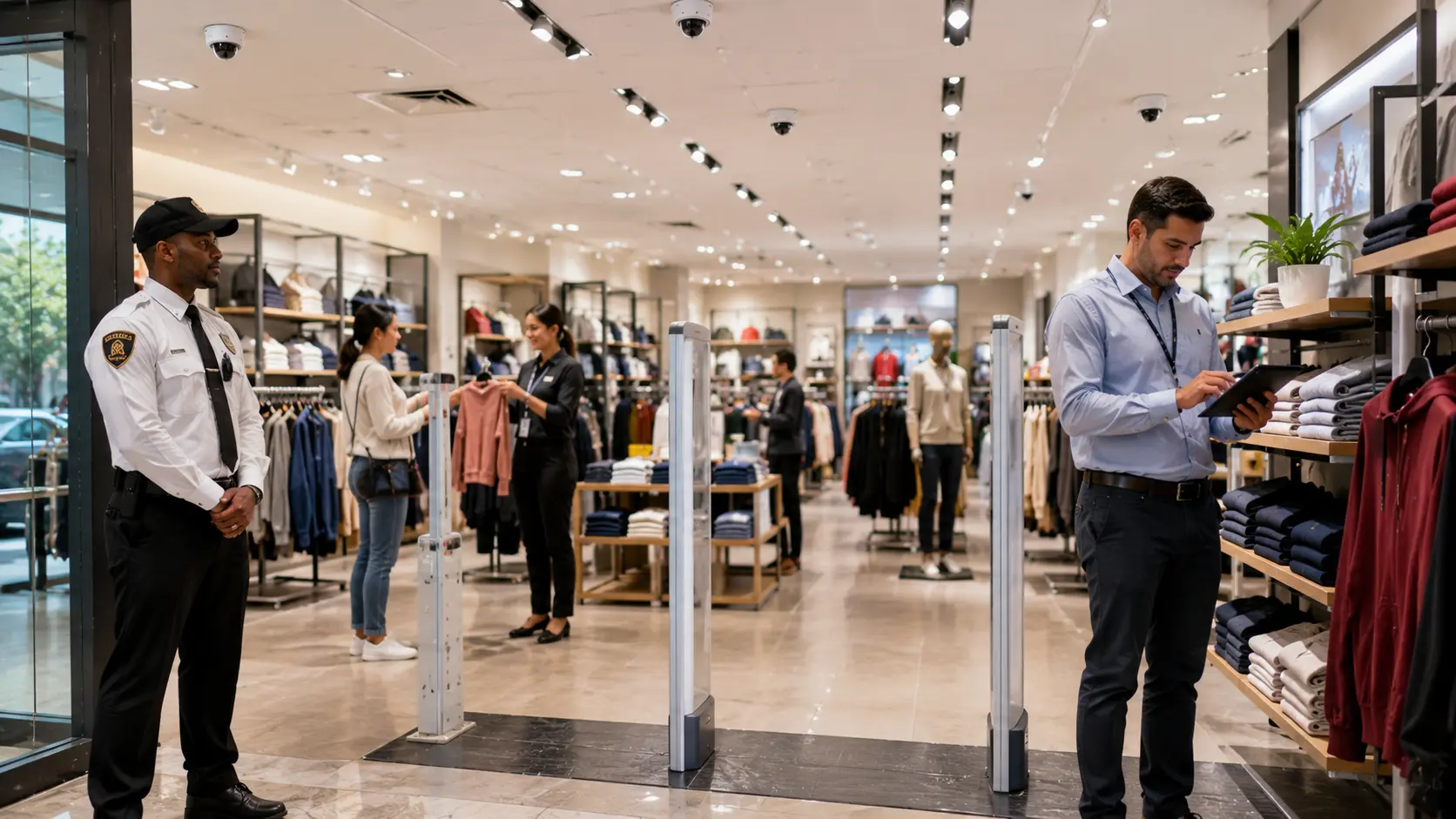
Retail businesses face a variety of security challenges every day. From shoplifting and organized retail crime to employee theft and administrative errors, inventory losses can have a significant impact on profitability. According to the National Retail Federation, inventory shrink remains one of the retail industry’s most persistent challenges, making effective loss prevention an essential part of business operations.
A successful retail loss prevention program goes beyond installing security cameras or hiring security guards. It combines physical security, employee training, operational procedures, technology, and customer service into a comprehensive strategy designed to reduce losses while maintaining a positive shopping experience.
This guide explores practical retail loss prevention strategies that businesses of all sizes can implement to better protect inventory, employees, and customers.
What Is Retail Loss Prevention?
Retail loss prevention refers to the policies, procedures, and security measures used to reduce inventory losses, protect company assets, and improve operational efficiency.
Loss prevention programs are designed to address multiple sources of inventory shrink, including:
- Shoplifting
- Organized retail crime
- Employee theft
- Vendor fraud
- Administrative errors
- Receiving and inventory mistakes
- Return fraud
- Damage and product loss
An effective strategy focuses on preventing incidents before they occur while improving detection and response capabilities.
Understanding Inventory Shrink
Inventory shrink occurs when recorded inventory exceeds the amount physically available.
Common causes include:
- External theft
- Internal theft
- Inventory counting errors
- Pricing mistakes
- Vendor discrepancies
- Product damage
- Fraudulent returns
Regular inventory audits help businesses identify trends and determine where improvements are needed.
Strengthen Store Access Control
Controlling access to sensitive areas is an important part of retail security.
Consider restricting access to:
- Stockrooms
- Cash offices
- Receiving areas
- Employee-only spaces
- IT equipment rooms
- High-value merchandise storage
Access control measures may include:
- Employee identification badges
- Electronic access systems
- Key management procedures
- Visitor registration
- Contractor verification
Limiting access reduces opportunities for both internal and external theft.
Improve Store Layout and Visibility
A well-designed store layout can discourage theft while improving customer service.
Best practices include:
- Maintain clear sightlines throughout the sales floor.
- Avoid tall displays that create blind spots.
- Position high-value merchandise in visible areas.
- Ensure fitting room entrances are easily monitored.
- Keep checkout areas organized.
Good visibility allows employees and security personnel to better observe customer activity.
Install High-Quality Surveillance Systems
Modern surveillance systems are valuable tools for both deterrence and investigations.
Camera coverage should include:
- Store entrances and exits
- Checkout lanes
- Self-checkout areas
- High-value merchandise displays
- Stockrooms
- Receiving docks
- Parking lots
- Cash handling areas
Regular maintenance ensures that surveillance systems continue to operate effectively.
Employ Professional Retail Security Guards
Many retailers use trained security personnel as part of their loss prevention strategy.
Security guards may:
- Conduct visible patrols
- Monitor entrances and exits
- Observe customer activity
- Assist employees during incidents
- Respond to disturbances
- Monitor surveillance systems
- Document security events
- Support emergency procedures
Their visible presence can discourage theft while providing reassurance to employees and customers.
Train Employees to Recognize Theft Indicators
Employees are often the first to notice suspicious behavior.
Training should cover:
- Customer service techniques
- Suspicious behavior recognition
- Reporting procedures
- Cash handling
- Return policies
- Emergency response
- Conflict de-escalation
Employees should understand how to report concerns safely without placing themselves or others at unnecessary risk.
Deliver Excellent Customer Service
Good customer service is also an effective loss prevention strategy.
Greeting customers, offering assistance, and maintaining a visible employee presence can discourage opportunistic theft while enhancing the shopping experience.
Customers who know employees are attentive may be less likely to engage in dishonest behavior.
Secure High-Value Merchandise
Certain products are more frequently targeted because they are valuable, portable, or easy to resell.
Examples include:
- Electronics
- Designer apparel
- Cosmetics
- Jewelry
- Pharmaceuticals
- Luxury accessories
- Gift cards
Protective measures may include:
- Locked display cases
- Electronic article surveillance (EAS) tags
- Controlled access
- Additional camera coverage
- Employee assistance for product access
Security measures should balance protection with customer convenience.
Strengthen Inventory Management
Accurate inventory records help identify unusual losses quickly.
Best practices include:
- Routine cycle counts
- Scheduled physical inventories
- Barcode scanning
- RFID tracking where appropriate
- Shipment verification
- Receiving inspections
Prompt investigation of inventory discrepancies can help uncover operational issues before they become larger problems.
Monitor Receiving and Delivery Areas
Receiving docks are common sources of inventory loss.
Review procedures for:
- Delivery verification
- Shipment inspections
- Vendor documentation
- Inventory reconciliation
- Restricted access
- Surveillance coverage
Strong receiving controls help reduce administrative errors and unauthorized removal of merchandise.
Implement Cash Handling Procedures
Cash remains an important asset that requires careful protection.
Best practices include:
- Secure cash storage
- Dual-control procedures
- Routine register reconciliation
- Limited cash access
- Regular deposits
- Surveillance coverage of cash offices
Consistent procedures reduce opportunities for internal theft and accounting errors.
Develop Clear Return and Exchange Policies
Fraudulent returns can contribute significantly to retail losses.
Effective policies may include:
- Receipt verification
- Identification requirements where permitted
- Return time limits
- Product inspection
- Supervisor approval for exceptions
Clear, consistently applied policies help reduce abuse while maintaining customer satisfaction.
Prepare for Organized Retail Crime
Organized retail crime (ORC) involves coordinated theft by groups that often target multiple stores.
Businesses should be prepared to:
- Train employees to recognize suspicious patterns.
- Document incidents thoroughly.
- Share information with management and, when appropriate, law enforcement.
- Review surveillance footage.
- Strengthen protection for frequently targeted merchandise.
A coordinated response supports both prevention and investigations.
Analyze Incident Reports
Loss prevention should be data-driven.
Review reports to identify:
- Theft trends
- High-risk products
- Peak incident times
- Repeat locations
- Operational weaknesses
Using incident data allows businesses to allocate security resources more effectively.
Conduct Regular Security Assessments
Retail environments evolve.
Periodic assessments should evaluate:
- Store layout
- Surveillance coverage
- Access control
- Employee procedures
- Lighting
- Alarm systems
- Emergency response plans
Regular reviews help ensure that security measures continue to meet operational needs.
Common Retail Loss Prevention Mistakes
Many retail losses can be traced to avoidable issues such as:
- Poor employee training
- Inadequate surveillance coverage
- Weak inventory controls
- Unsecured stockrooms
- Inconsistent return procedures
- Insufficient customer service
- Limited incident reporting
- Poor lighting
- Lack of routine security audits
- Failure to investigate inventory discrepancies
Addressing these weaknesses strengthens the overall loss prevention program.
Retail Loss Prevention Checklist
Use this checklist to review your current security practices:
- □ Store entrances monitored
- □ Surveillance cameras functioning properly
- □ High-value merchandise secured
- □ Stockrooms access-controlled
- □ Employees trained in loss prevention
- □ Visitor and contractor procedures established
- □ Inventory audits conducted regularly
- □ Receiving procedures documented
- □ Cash handling controls implemented
- □ Return policies consistently enforced
- □ Incident reports completed promptly
- □ Security assessments performed periodically
Routine evaluations help identify opportunities for continuous improvement.
Frequently Asked Questions
What is retail loss prevention?
Retail loss prevention is the process of reducing inventory shrink and protecting company assets through security measures, operational procedures, employee training, and technology.
What causes inventory shrink?
Inventory shrink may result from shoplifting, employee theft, administrative errors, vendor discrepancies, return fraud, damaged merchandise, or inventory counting mistakes.
How can security guards help reduce retail losses?
Retail security guards can monitor entrances, patrol the sales floor, observe suspicious activity, assist employees during incidents, monitor surveillance systems, and provide a visible deterrent to theft.
Are surveillance cameras enough to prevent shoplifting?
Surveillance cameras are valuable tools, but they are most effective when combined with employee awareness, good customer service, inventory controls, access management, and other security measures.
How often should retailers review their loss prevention program?
Retailers should evaluate their loss prevention strategies regularly, especially after store renovations, operational changes, significant theft incidents, or noticeable increases in inventory shrink.
Conclusion
Retail loss prevention is most effective when it combines people, processes, and technology into a comprehensive security strategy. Preventing inventory shrink requires more than reacting to theft—it involves identifying vulnerabilities, strengthening operational procedures, training employees, and continuously improving security practices.
By enhancing access control, improving surveillance, protecting high-value merchandise, maintaining accurate inventory records, and investing in professional security services where appropriate, retailers can significantly reduce losses while creating a safer shopping environment for customers and employees alike.
A proactive approach to loss prevention not only protects inventory but also supports profitability, operational efficiency, and long-term business success.