📩 info@irisprotectionservices.com 📲 (657) 214-0877 🏛️ Iris Protection Services, Inc 🛂 License No. PPO120833
California BSIS Requirements Explained: A Guide for Businesses Hiring Security Guards
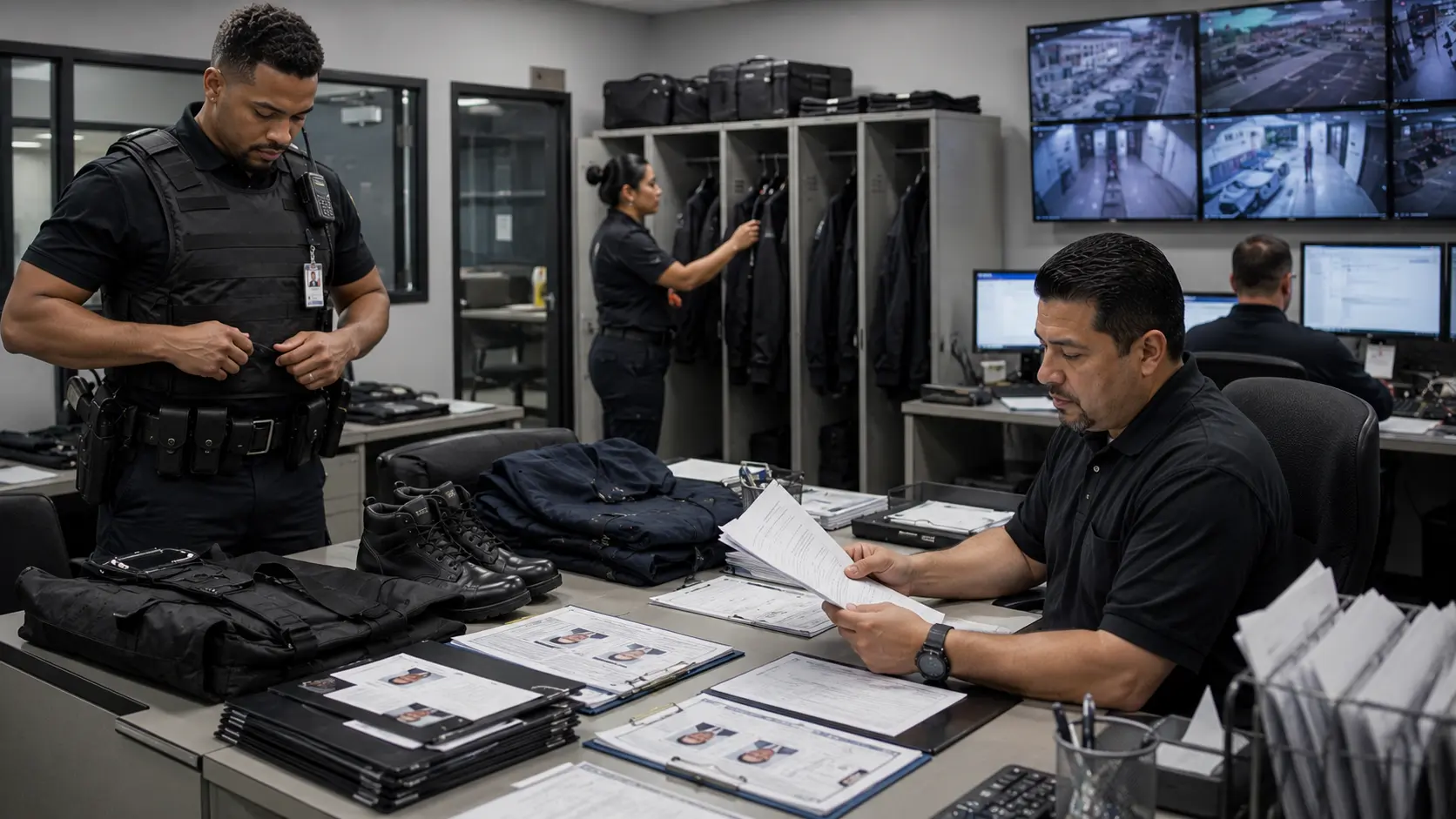
Hiring a professional security company involves more than comparing prices or service packages. In California, private security personnel must meet licensing and training standards established by the Bureau of Security and Investigative Services (BSIS), a division of the California Department of Consumer Affairs.
BSIS regulations help establish minimum standards for training, background checks, and professional conduct within California’s private security industry. For businesses, understanding these requirements can make it easier to evaluate security providers and verify that guards assigned to their property meet state requirements.
This guide explains the purpose of BSIS, the basic requirements for California security guards, and what business owners should know before hiring a private security company.
What Is BSIS?
The Bureau of Security and Investigative Services (BSIS) regulates California’s private security industry. Its responsibilities include licensing security professionals and businesses, establishing training standards, enforcing applicable laws and regulations, and investigating complaints involving licensed security providers.
BSIS oversees several professions, including:
- Security guards
- Private patrol operators (PPOs)
- Private investigators
- Alarm company operators
- Locksmith companies
- Repossession agencies
- Firearms permit holders
- Baton permit holders
For businesses hiring contract security, the most relevant licenses are the Private Patrol Operator (PPO) license held by the security company and the Security Guard Registration (Guard Card) held by individual guards.
Why BSIS Requirements Matter
BSIS regulations help create a consistent baseline for professionalism across California’s security industry.
Working with a licensed security provider offers several advantages:
- Guards have completed required state training.
- Criminal background checks have been conducted.
- Licensing records can be verified.
- Companies are subject to state oversight.
- Continuing education requirements help maintain professional standards.
Although BSIS compliance does not guarantee service quality, it assures that minimum state licensing and training requirements have been met.
Who Must Register with BSIS?
In most situations, individuals employed as security guards in California must obtain a BSIS Security Guard Registration, commonly called a Guard Card, before working in a private security role.
Employers operating as contract security providers generally must also hold a valid Private Patrol Operator (PPO) license issued by BSIS.
Basic Eligibility Requirements for a California Security Guard
To qualify for a Security Guard Registration, applicants generally must:
- Be at least 18 years of age.
- Complete required pre-registration training.
- Undergo criminal background checks through the California Department of Justice (DOJ) and the Federal Bureau of Investigation (FBI).
- Submit the required application and fees through the BSIS licensing process.
Applicants who meet these requirements may be eligible to receive a California Guard Card after the application process is completed.
Required BSIS Security Guard Training
California requires security guards to complete mandatory training before and after registration.
The training program is designed to provide foundational knowledge in areas such as:
- Legal responsibilities
- Observation and reporting
- Public relations
- Emergency procedures
- Communication
- Ethics
- Officer safety
- Use of force principles
The required curriculum includes:
Initial Training
Before registration is issued, applicants must complete required Power to Arrest and Appropriate Use of Force training as prescribed by BSIS.
Additional Security Officer Skills Training
Newly registered security guards must complete additional mandatory training during the first six months after registration. This instruction covers core security officer responsibilities and selected elective topics relevant to the guard’s assignments.
Annual Continuing Education
Registered security guards must complete annual continuing education to maintain compliance with California’s ongoing training requirements.
Background Checks and Live Scan Fingerprinting
Before receiving a Guard Card, applicants undergo criminal history background checks conducted through:
- California Department of Justice (DOJ)
- Federal Bureau of Investigation (FBI)
Fingerprinting is completed using California’s Live Scan system, allowing BSIS to review an applicant’s criminal history as part of the licensing process.
Background checks help ensure that applicants meet California’s eligibility requirements for security guard registration.
Additional Permits for Specialized Duties
Certain security assignments require additional BSIS permits beyond a standard Guard Card.
Examples include:
Firearms Permit
Security guards who carry exposed firearms while on duty must obtain a BSIS Firearms Permit and satisfy additional training, qualification, and assessment requirements.
Baton Permit
Guards who carry batons while working must complete approved baton training before carrying one on duty.
Tear Gas Training
Security guards who carry tear gas while on duty must complete the training required under California law.
Depending on the assignment, additional certifications or employer-specific training may also be required.
Industry-Specific Training
Some industries require security personnel to complete specialized training beyond the standard Guard Card curriculum.
Examples include:
- Healthcare facilities
- Educational campuses
- High-risk industrial sites
- Critical infrastructure
- Fire watch assignments
- Executive protection
- Construction sites
For example, California law requires specific training for security guards assigned to K–12 schools and community colleges.
Employers often provide additional site-specific instruction covering emergency procedures, customer service expectations, safety protocols, and operational requirements.
Responsibilities of a Licensed Security Guard
BSIS establishes minimum training requirements, but day-to-day responsibilities depend on the assigned property.
Common duties include:
- Monitoring entrances and exits
- Conducting patrols
- Observing suspicious activity
- Monitoring surveillance systems
- Responding to incidents
- Completing incident reports
- Assisting visitors
- Supporting emergency evacuations
- Communicating with property management and emergency responders
Professional security guards are expected to perform these duties in accordance with applicable laws, employer policies, and site procedures.
Responsibilities of Security Companies
Hiring qualified guards is only one part of operating a compliant security business.
Licensed Private Patrol Operators are generally responsible for:
- Employing properly registered guards
- Maintaining required training records
- Providing site-specific instructions
- Supervising security personnel
- Following applicable BSIS regulations
- Maintaining appropriate business licensing
- Supporting ongoing employee training
Businesses evaluating security providers may wish to confirm that the company holds an active PPO license and employs properly registered personnel.
How Businesses Can Verify a Security Provider
Before signing a security services agreement, consider asking:
- Is the company licensed as a Private Patrol Operator?
- Are assigned guards properly registered?
- Have required BSIS training requirements been completed?
- Does the company carry appropriate insurance?
- What ongoing supervision is provided?
- How are incident reports handled?
- What experience does the company have with similar facilities?
Taking time to evaluate these factors can help ensure a professional and reliable security partnership.
Common Misconceptions About BSIS
“A Guard Card Means Every Guard Performs the Same Job.”
No. BSIS establishes minimum licensing and training standards, but security responsibilities vary depending on the property, industry, and client requirements.
“All Security Guards Can Carry Firearms.”
No. Guards must obtain a separate BSIS Firearms Permit before carrying exposed firearms while working.
“BSIS Regulates Every Aspect of Daily Security Operations.”
Not exactly. BSIS establishes licensing and training standards, while individual employers determine post orders, site procedures, scheduling, and operational responsibilities.
“Businesses Don’t Need to Verify Licensing.”
Verifying licensing is a simple but important step that helps businesses confirm they are working with properly licensed security providers.
Frequently Asked Questions
What does BSIS stand for?
BSIS stands for the Bureau of Security and Investigative Services, the California state agency responsible for regulating private security professionals and businesses.
Does every California security guard need a Guard Card?
In most cases, individuals working as private security guards in California are required to hold a valid BSIS Security Guard Registration, commonly called a Guard Card. Certain statutory exemptions may apply in limited circumstances.
Can businesses verify a security company’s license?
Yes. California provides public license verification resources that allow businesses to confirm whether a security company or security professional holds an active BSIS license.
Can an unarmed security guard carry a firearm?
No. Carrying an exposed firearm while working as a security guard requires a separate BSIS Firearms Permit in addition to a valid Guard Card.
Why is ongoing training important?
Continuing education helps security personnel stay current with California training requirements while reinforcing essential knowledge related to safety, legal responsibilities, emergency response, and professional conduct.
Conclusion
California’s BSIS licensing system helps establish a professional foundation for the private security industry through standardized training, background checks, and regulatory oversight. For businesses seeking security services, understanding these requirements can make it easier to evaluate providers and verify that assigned personnel meet state licensing standards.
While BSIS compliance is only one aspect of selecting a security company, it is an important starting point. Businesses should also consider a provider’s industry experience, supervision, communication practices, reporting procedures, and ability to develop a security plan tailored to the property’s unique risks.
Choosing a licensed, well-trained security provider can help create a safer environment for employees, customers, visitors, and valuable assets while supporting day-to-day business operations.