📩 info@irisprotectionservices.com 📲 (310) 766-5927 🏛️ Iris Protection Services, Inc 🛂 License No. PPO120833
Top Neighborhoods in Los Angeles That Benefit Most from Private Security
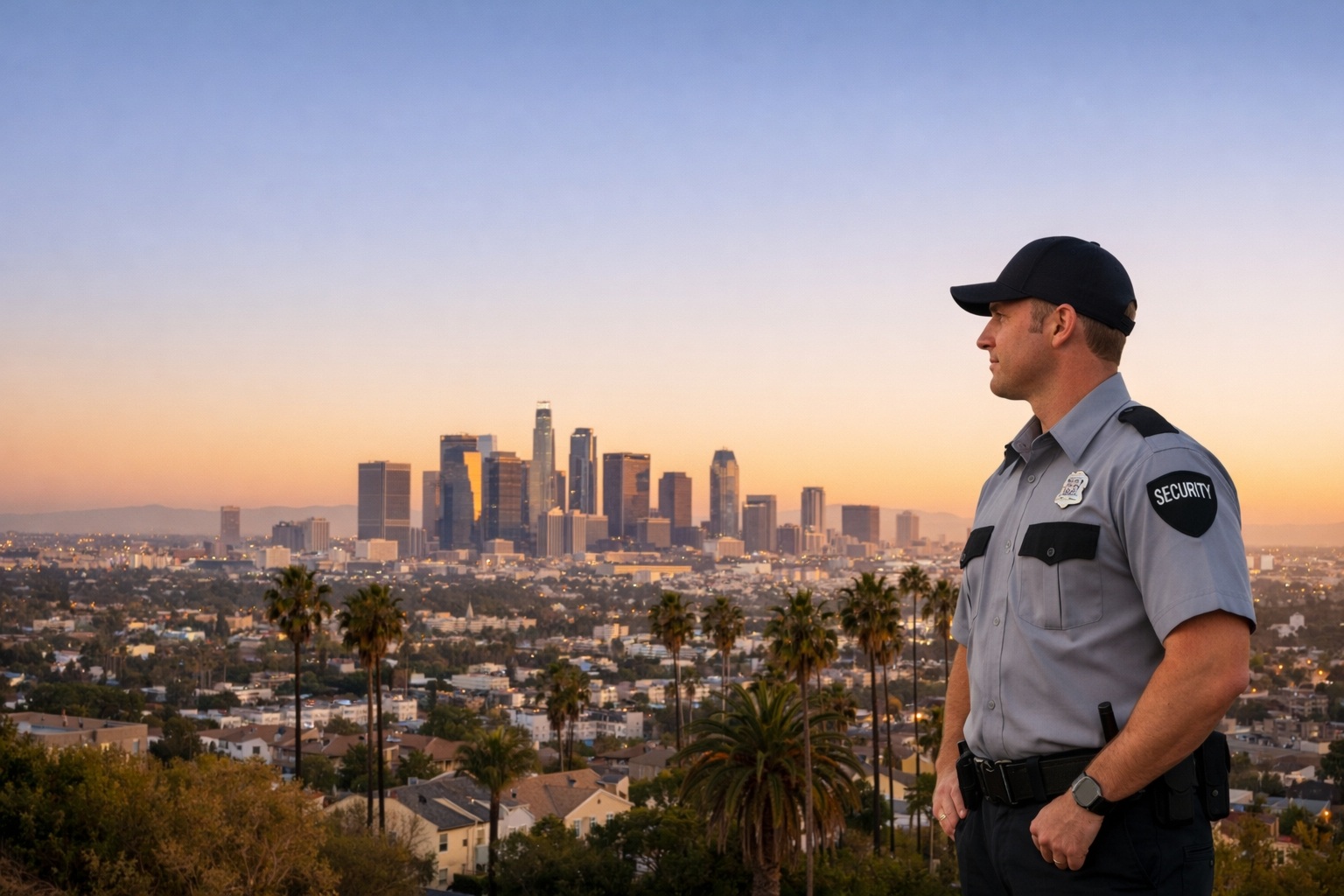
Los Angeles is one of the most diverse and expansive metropolitan areas in the United States. With its mix of luxury residential zones, dense commercial corridors, entertainment districts, industrial hubs, and high-traffic tourist areas, security needs vary significantly from one neighborhood to another.
This article provides a neutral, data-informed overview of Los Angeles neighborhoods where private security services are commonly utilized and may offer measurable benefits. The purpose is not to characterize any area negatively, but to explain how factors such as property value, foot traffic, commercial density, and asset concentration influence private security demand.
Private security is a risk-management tool. Its appropriateness depends on location-specific variables, operational exposure, and asset protection priorities.
Why Location Matters in Security Planning
Security risk in Los Angeles is influenced by:
- Population density
- Commercial activity levels
- Tourism concentration
- Property values
- Nightlife activity
- Construction growth
- Historical crime patterns
- Accessibility to major highways
Some neighborhoods benefit from private security due to high-value assets. Others require it because of heavy public interaction or after-hours vulnerability. In many cases, the presence of private security is proactive rather than reactive.
1. Downtown Los Angeles (DTLA)
Downtown Los Angeles is one of the most commercially dense areas in the region. It includes:
- Financial institutions
- Corporate offices
- Luxury residential high-rises
- Retail corridors
- Entertainment venues
- Government buildings
Why Private Security Is Common Here
- High pedestrian volume
- Mixed residential and commercial usage
- Valuable commercial assets
- After-hours vulnerability
- Large event gatherings
Businesses and residential towers often employ lobby security, access control personnel, and overnight patrols. Construction activity in DTLA also increases demand for site security.
2. Hollywood
Hollywood is a major tourist destination and entertainment hub.
Contributing Factors
- Heavy tourism
- Nightlife activity
- Retail density
- Event hosting
- Celebrity presence
Private security is frequently used by:
- Hotels
- Production studios
- Retail stores
- Event organizers
- Private estates
In high-traffic tourist zones, visible security helps manage crowds, deter opportunistic theft, and respond to disturbances.
3. Beverly Hills
Beverly Hills is known for luxury residences and high-end retail.
Why Security Demand Is Elevated
- High property values
- Luxury retail concentration
- Executive protection needs
- Gated community management
- High-profile residents
Private patrol services, estate security, and retail security personnel are common in this area. The concentration of valuable assets increases the importance of proactive deterrence.
4. Westwood & UCLA Area
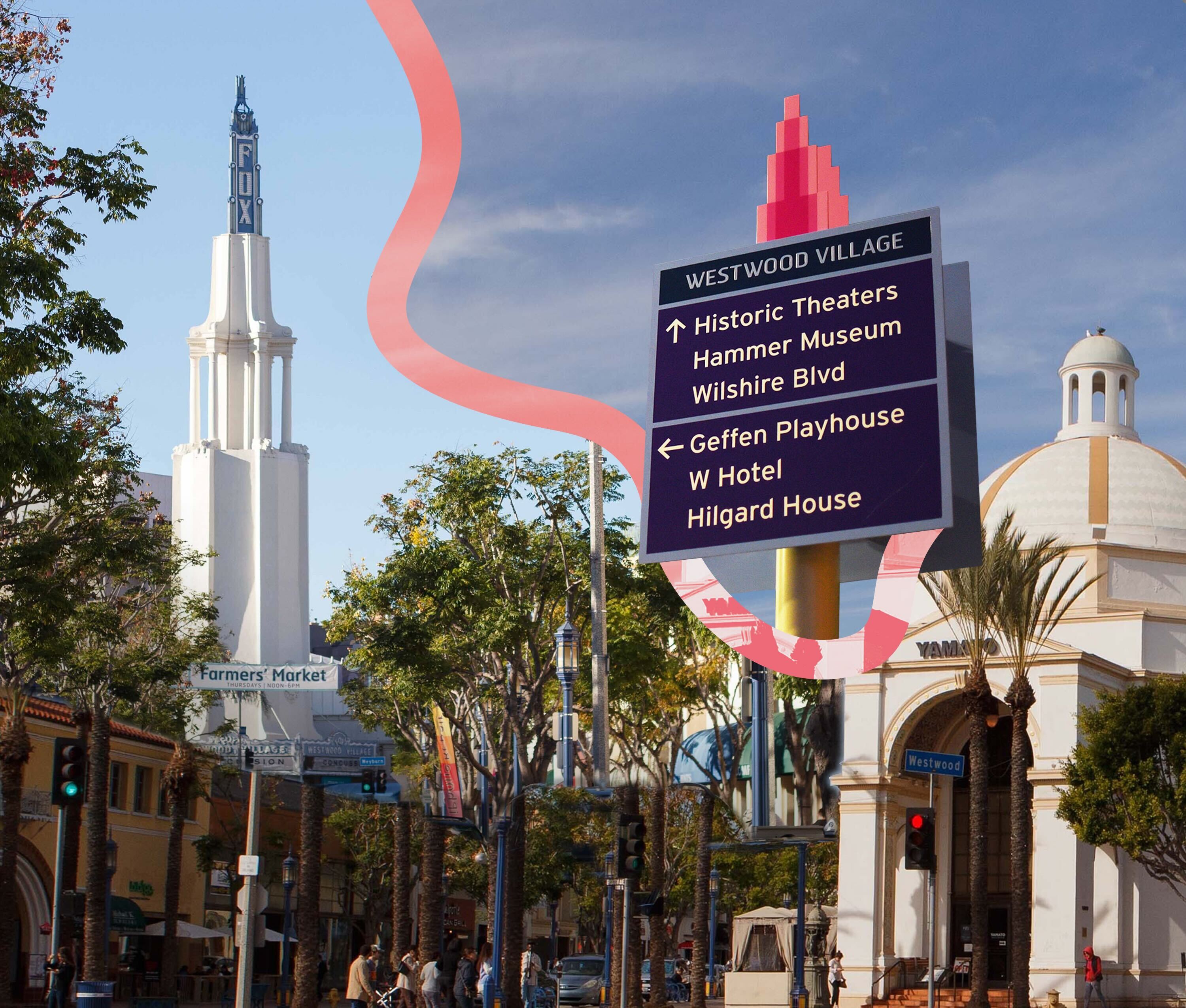
Westwood combines academic institutions, student housing, medical facilities, and commercial properties.
Security Considerations
- High student population
- Dense apartment complexes
- Hospital facilities
- Retail corridors
- Late-night activity
Security guards in this area often focus on access control, patrol services, and residential property monitoring.
5. Koreatown
Koreatown is one of the most densely populated neighborhoods in Los Angeles.
Key Factors
- Mixed-use buildings
- Active nightlife
- High residential density
- Retail and restaurant concentration
Private security in Koreatown is commonly used for:
- Apartment complexes
- Parking structure monitoring
- Nightlife venue management
- Commercial property patrol
Density and activity levels increase the importance of access control and incident response capability.
6. Santa Monica (Bordering LA Jurisdictional Zones)
While technically an independent city, Santa Monica is closely tied to the broader Los Angeles commercial ecosystem.
Private Security Demand Drivers
- Tourism
- Retail corridors
- Beachfront properties
- Luxury residential buildings
- Hospitality venues
Security presence helps manage large visitor volumes and protect high-value commercial zones.
7. South Los Angeles Industrial Areas
Industrial corridors in South Los Angeles and surrounding warehouse districts frequently utilize private security services.
Risk Factors
- Large warehouse facilities
- Equipment storage
- Cargo staging
- After-hours vulnerability
- Perimeter exposure
Security guards in these areas often conduct:
- Perimeter patrols
- Gate access control
- Alarm response
- Overnight monitoring
Asset concentration and limited nighttime activity can increase vulnerability.
8. Brentwood & Pacific Palisades

These residential neighborhoods feature high-value properties and gated communities.
Why Private Security Is Utilized
- Estate-level property value
- Limited-access roads
- Private community patrols
- Executive protection needs
Private patrol services and dedicated residential security officers are commonly used to supplement municipal law enforcement coverage.
Commercial Corridors That Frequently Use Private Security
Beyond residential neighborhoods, certain commercial zones consistently benefit from private security:
- Retail shopping centers
- Mixed-use developments
- Medical office complexes
- Construction sites
- Large apartment communities
- Corporate campuses
In these environments, security serves both protective and operational roles.
Factors That Increase Security Benefit
Regardless of neighborhood, private security becomes more beneficial when the following conditions exist:
1. High Asset Value
Luxury goods, expensive equipment, and large cash flow increase risk exposure.
2. High Public Foot Traffic
Increased interaction raises the likelihood of disturbances or opportunistic theft.
3. After-Hours Vulnerability
Vacant commercial properties and construction sites are common targets.
4. Event Hosting
Temporary surges in attendance increase crowd management requirements.
5. Insurance Requirements
Some insurers recommend or require visible security measures.
Armed vs. Unarmed Security by Neighborhood Type
The appropriate security model varies:
- Luxury residential zones: Often use unarmed patrol with potential executive protection services.
- Retail-heavy districts: Commonly deploy unarmed guards for deterrence and response.
- High-value asset environments: May justify armed security, depending on documented risk.
- Industrial areas: Frequently use unarmed patrol combined with surveillance systems.
The correct approach should always follow a structured risk assessment.
The Role of Private Security in Urban Environments
It is important to emphasize that private security does not replace public law enforcement. Instead, it:
- Enhances deterrence
- Reduces response time
- Manages access control
- Documents incidents
- Provides visible oversight
In large metropolitan areas like Los Angeles, layered security strategies are increasingly common.
Frequently Asked Questions (FAQs)
1. Are certain Los Angeles neighborhoods unsafe without private security?
Not necessarily. Security decisions should be based on measurable risk factors, not assumptions. Many businesses and residential communities use private security proactively rather than reactively.
2. Is private security only for luxury neighborhoods?
No. Industrial zones, construction sites, retail centers, and apartment complexes frequently benefit from security services regardless of property value.
3. Does hiring private security reduce crime?
Visible security presence can deter opportunistic crime. While no measure guarantees prevention, deterrence and faster response can reduce incident frequency and severity.
4. Should businesses rely solely on cameras instead?
Surveillance systems provide monitoring and documentation, but they do not physically intervene. Many neighborhoods benefit from combining personnel and technology.
5. How should a business decide if its location requires security?
The most reliable method is a formal risk assessment evaluating:
- Local crime data
- Asset exposure
- Hours of operation
- Foot traffic
- Insurance requirements
- Historical incident records
Conclusion
Los Angeles is a complex and dynamic city with diverse neighborhoods, each presenting different security considerations. Areas with high asset value, dense commercial activity, tourism concentration, industrial operations, or large residential communities often benefit most from private security services.
The decision to hire private security should not be based solely on a neighborhood’s reputation or perception. Instead, it should be grounded in objective risk analysis and operational needs.
By aligning security resources with measurable exposure factors, businesses and residential communities can implement proportionate, effective protection strategies tailored to their specific Los Angeles location.