📩 info@irisprotectionservices.com 📲 (657) 214-0877 🏛️ Iris Protection Services, Inc 🛂 License No. PPO120833

Do Security Guards Have Legal Authority? Understanding Their Powers and Limits
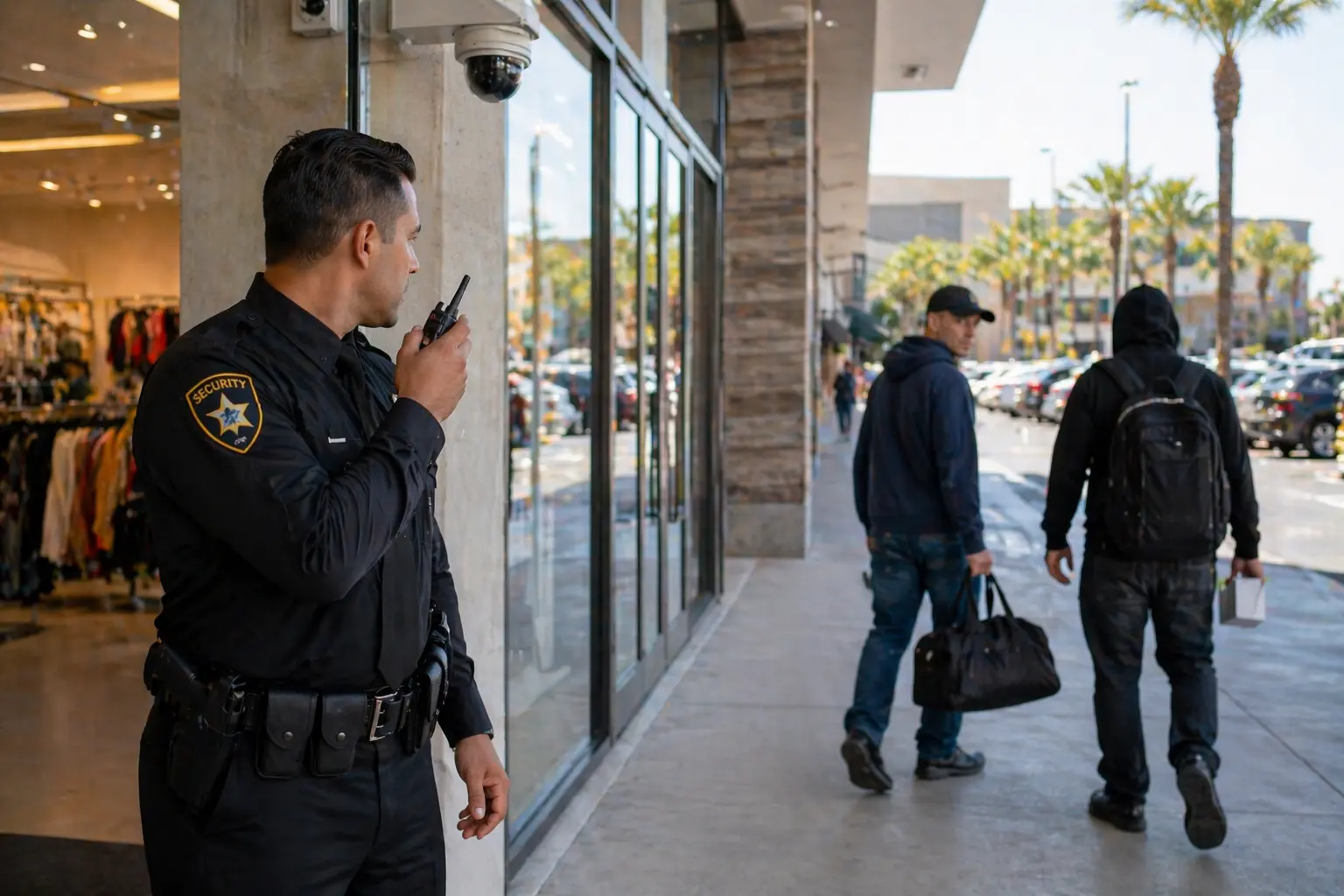
Many people assume that security guards have the same authority as police officers. Because they wear uniforms, monitor property, and respond to suspicious activity, it is easy to believe they can enforce laws, make arrests freely, or conduct full criminal investigations. In reality, security guards operate under a very different legal framework.
Security guards play an essential role in protecting people, property, and businesses, but their powers are limited by state laws, company policies, and the scope of the property they are assigned to protect. Understanding these legal boundaries is important for business owners, property managers, and the general public.
In California, private security guards must follow strict legal guidelines regarding what they can and cannot do. Knowing the difference between lawful authority and overstepping boundaries helps prevent liability, protect civil rights, and ensure professional security operations.
This guide explains the legal authority of security guards, what powers they have, and where their limitations begin.
Are Security Guards Law Enforcement Officers?
The simple answer is no.
Security guards are private professionals hired to protect specific people, businesses, or properties. They are not police officers, sheriff’s deputies, or government law enforcement agents.
Police officers work for public agencies and have broad authority under criminal law. Security guards work for private employers or licensed security companies and only have authority within the limits of private security law.
Their primary responsibilities include:
- Protecting property
- Monitoring access points
- Preventing theft and vandalism
- Observing suspicious activity
- Reporting incidents
- Supporting emergency response
- Enforcing property rules and policies
Their job is prevention and protection—not public law enforcement.
Who Regulates Security Guards in California?
Security guards in California are regulated by the Bureau of Security and Investigative Services (BSIS) under the California Department of Consumer Affairs.
BSIS establishes licensing requirements, training standards, Guard Card regulations, and conduct expectations for private security professionals.
This ensures guards understand legal boundaries and professional responsibilities before working in the field.
What Legal Authority Do Security Guards Have?
Security guards do have certain legal authority, but it is limited and specific.
Their authority generally comes from three sources:
- Property owner rights
- Citizen’s arrest laws
- Contractual responsibilities
Let’s break these down.
Authority to Control Private Property Access
One of the most important powers security guards have is controlling access to private property.
Because they represent the property owner or management company, they can:
- Check visitor identification
- Den y unauthorized entry
- Enforce visitor sign-in procedures
- Monitor deliveries and contractors
- Ask individuals to leave private property
- Enforce company or community policies
For example, a guard at a gated residential community can deny access to an unauthorized visitor or ask trespassers to leave.
This authority comes from private property rights—not criminal law enforcement powers.
Authority to Observe and Report
Security guards are primarily trained to observe and report.
This includes:
- Monitoring suspicious behavior
- Watching surveillance systems
- Documenting incidents
- Reporting emergencies
- Contacting law enforcement when needed
They are expected to be strong witnesses and accurate reporters rather than criminal investigators.
Detailed incident reports often become important evidence for police, insurance claims, or legal matters.
Observation is often their strongest and safest tool.
Can Security Guards Detain Someone?
Yes—but only under specific legal conditions.
Security guards may detain someone under California’s citizen’s arrest laws if they directly witness:
- Theft
- Assault
- Trespassing
- Vandalism
- Other criminal activity occurring on the property
However, this authority is limited and carries serious legal risk.
Improper detention can lead to:
- False imprisonment claims
- Civil lawsuits
- Criminal liability
- Loss of professional licenses
Because of this, professional guards are trained to use detention only when necessary and within legal guidelines.
Most situations are handled by observation and immediate law enforcement notification.
What Is a Citizen’s Arrest?
A citizen’s arrest allows a private person—including a security guard—to detain someone when:
- A public offense is committed in their presence
- A felony has occurred, and there is reasonable cause
This does not mean guards can investigate crimes like police officers.
They cannot arrest based on suspicion alone.
The legal threshold must be clear and defensible.
For property owners, misuse of a citizen’s arrest authority can create major liability exposure.
Can Security Guards Use Force?
Yes—but only reasonable and necessary force.
Security guards may use force only to:
- Protect themselves
- Protect others from immediate harm
- Prevent certain criminal acts
- Maintain lawful detention under citizen’s arrest
They cannot use excessive force, punishment, or intimidation.
Force must always be:
- Proportional
- Necessary
- Defensible under the circumstances
Excessive force can result in lawsuits, criminal charges, and reputational damage for both the guard and the property owner.
This is why professional training is critical.
Can Security Guards Search People or Property?
Generally, no, not without consent.
Security guards cannot force random searches the way law enforcement may under certain legal procedures.
However, they may conduct searches when:
- Entry conditions require consent (such as bag checks at events)
- Company policy clearly states inspection requirements
- Employment agreements allow workplace security screening
For example, event security may inspect bags before entry because entry is conditional upon consent.
Without consent or lawful justification, forced searches can create legal problems.
Can Security Guards Carry Weapons?
Some security guards can, but not automatically.
Unarmed Security Guards
Most guards perform duties such as:
- Access control
- Patrol services
- CCTV monitoring
- Visitor management
- Incident reporting
These guards do not carry firearms.
Armed Security Guards
Armed guards must complete additional legal requirements, including:
- Firearms permit through BSIS
- State-approved weapons training
- Range qualification
- Ongoing firearms certification
Armed security is typically used for:
- Financial institutions
- High-risk commercial properties
- Executive protection
- High-value asset protection
- Sensitive facilities
Property owners should carefully evaluate whether armed security is necessary.
What Security Guards Cannot Do
Understanding limitations is just as important as understanding authority.
Security guards generally cannot:
- Act as police officers
- Conduct criminal investigations independently
- Issue arrest warrants
- Search people without a legal basis
- Use force as punishment
- Carry weapons without proper permits
- Impersonate law enforcement
- Enter private areas without authorization
- Enforce public criminal law outside legal limits
Crossing these boundaries can create major legal consequences.
Why Property Owners Must Understand These Limits
Many lawsuits involving private security happen because guards exceed their authority.
Examples include:
- Improper detention
- Excessive force
- Discriminatory access control
- Unlawful searches
- False claims of authority
Property owners may be held responsible if guards act improperly while representing the property.
Hiring licensed, trained, and supervised professionals reduces these risks significantly.
Understanding legal boundaries protects both safety and liability exposure.
Questions to Ask Your Security Provider
Before hiring security services, property owners should ask:
Are your guards licensed and BSIS compliant?
What training do guards receive on legal authority and use of force?
How do you handle citizen’s arrest situations?
What reporting procedures are followed after incidents?
Are supervisors available during emergencies?
Do you provide liability insurance coverage?
How do you prevent excessive force claims?
The answers reveal the professionalism of the provider.
Final Thoughts
Security guards do have legal authority—but it is carefully limited.
Their role is to protect private property, maintain order, observe suspicious activity, and respond professionally within the boundaries of the law. They are not police officers, and they must operate under strict legal and ethical standards.
For property owners, understanding these powers and limits is essential when hiring private security services. A well-trained guard protects people and property while reducing risk. An untrained or poorly supervised guard can create legal and financial problems.
The best security providers understand that professionalism is not about acting like law enforcement—it is about knowing exactly where authority begins and where it ends.
Strong security starts with legal compliance, clear procedures, and responsible protection.