📩 info@irisprotectionservices.com 📲 (657) 214-0877 🏛️ Iris Protection Services, Inc 🛂 License No. PPO120833
Security Guard Requirements in California: What Property Owners Should Know
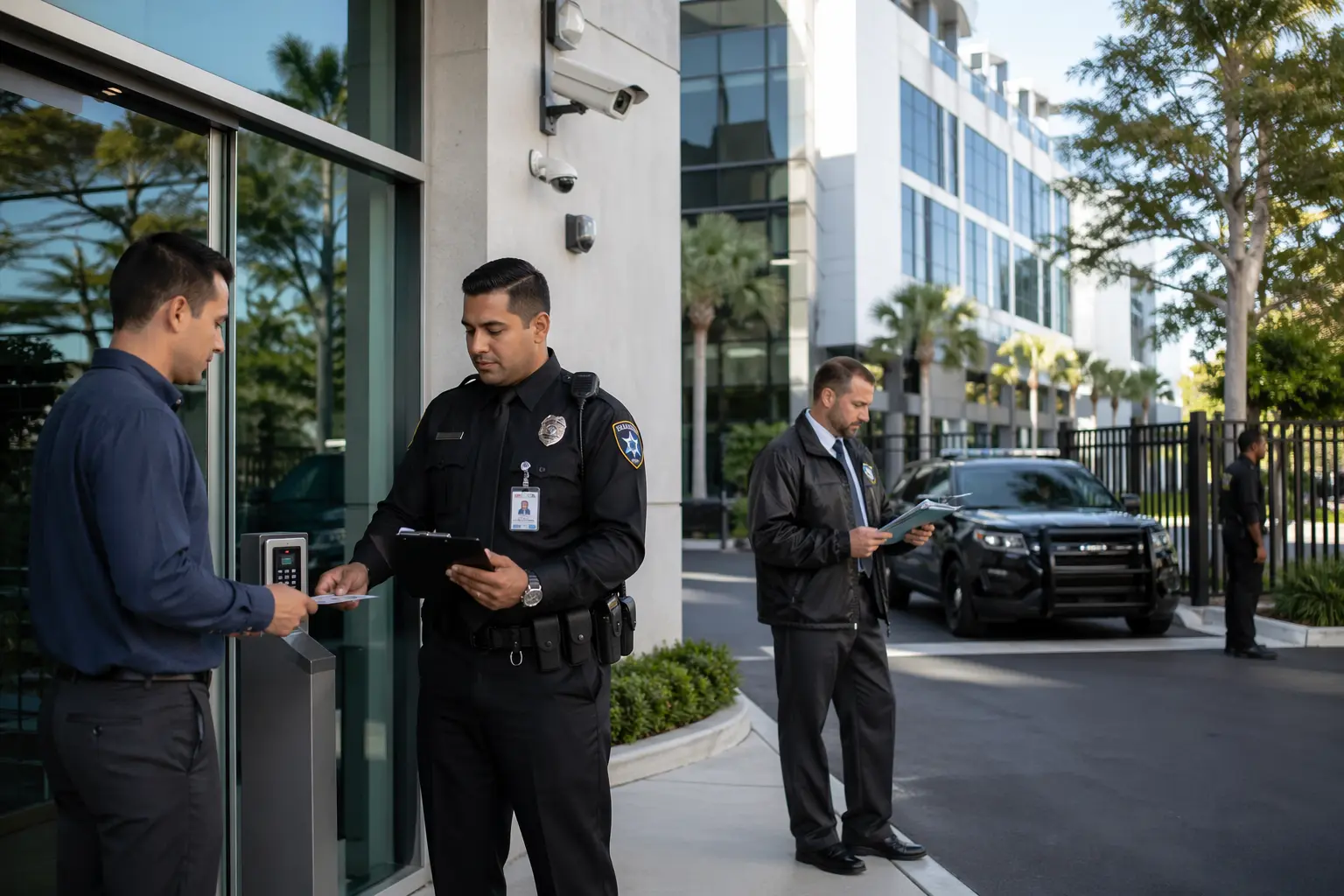
Security is one of the most important concerns for property owners in California. Whether you manage a commercial office building, residential complex, retail center, warehouse, hospital, school, or construction site, hiring professional security guards helps protect people, assets, and daily operations. However, many property owners are not fully aware of the legal and professional requirements that security guards must meet before they can work in California.
California has strict regulations for private security personnel, and understanding these requirements helps property owners make better hiring decisions. Choosing licensed and properly trained security professionals not only improves safety but also reduces liability risks and ensures compliance with state laws.
This guide explains the key security guard requirements in California and what property owners should know before hiring security services.
Why Security Guard Compliance Matters
Hiring an unlicensed or improperly trained security guard can create serious legal and financial risks. Property owners may face issues such as:
- Increased liability in the event of accidents or incidents
- Insurance complications
- Poor emergency response performance
- Lack of professionalism and accountability
- Non-compliance with California state regulations
- Reputational damage to the business or property
Working with a licensed professional security company helps reduce these risks while ensuring reliable protection.
Who Regulates Security Guards in California?
In California, private security guards are regulated by the Bureau of Security and Investigative Services (BSIS), which operates under the California Department of Consumer Affairs.
BSIS establishes licensing standards, training requirements, and professional conduct regulations for security guards and private patrol operators.
Property owners should always verify that both the security guard and the security company are properly registered with BSIS before entering into a service agreement.
Basic Requirements for Security Guards in California
To legally work as a security guard in California, individuals must meet specific requirements.
1. Must Be at Least 18 Years Old
A security guard must be at least 18 years of age to qualify for registration.
This ensures legal eligibility to perform professional security duties and responsibilities.
2. Must Complete Criminal Background Checks
All applicants must undergo fingerprinting through the Live Scan system for criminal background screening.
The California Department of Justice (DOJ) and the FBI review the applicant’s criminal history before approval.
Individuals with certain criminal convictions may be denied registration depending on the nature of the offense.
For property owners, this step helps ensure guards have been properly screened before working on-site.
3. Must Obtain a California Guard Card
The most important requirement is obtaining a valid Guard Card, officially known as the Security Guard Registration.
Without a Guard Card, a person cannot legally work as a security guard in California.
The Guard Card confirms that the individual has completed the minimum required training and passed the state registration process.
Property owners should always ask for Guard Card verification when hiring security personnel.
Required Training for Security Guards
Training is one of the most important legal requirements.
Initial 8 Hours of Training
Before receiving a Guard Card, applicants must complete:
- Powers to Arrest training
- Weapons of Mass Destruction (WMD) awareness training
This mandatory 8-hour training introduces legal authority, limitations, and emergency preparedness.
Additional 32 Hours of Training
After obtaining the Guard Card, security guards must complete an additional 32 hours of training within the first 6 months of employment.
This training may include:
- Public relations
- Observation and documentation
- Communication and reporting
- Liability and legal aspects
- Officer safety
- Patrol techniques
- Emergency response procedures
- Access control and workplace violence prevention
Property owners should ask security companies about their training standards beyond the state minimum.
Armed vs. Unarmed Security Guards
Not all security guards have the same level of authorization.
Unarmed Security Guards
These guards handle duties such as:
- Access control
- Visitor management
- Patrol services
- CCTV monitoring
- Incident reporting
- Customer service support
They are commonly used for residential communities, offices, retail centers, and schools.
Armed Security Guards
Armed guards must meet additional legal requirements, including:
- Firearms permit through BSIS
- Firearms training and qualification
- Psychological assessment (in some cases)
- Ongoing weapons requalification
Armed guards are often used in:
- High-risk commercial properties
- Financial institutions
- High-value asset protection
- Executive protection
- Sensitive facilities
Property owners should carefully assess whether armed security is necessary based on risk exposure.
Licensing Requirements for Security Companies
Not only individual guards but also security companies must be licensed.
A company providing security guard services must hold a valid Private Patrol Operator (PPO) license issued by BSIS.
A licensed PPO confirms the company is authorized to:
- Hire and deploy security guards
- Provide patrol services
- Manage client security contracts
- Maintain insurance and compliance standards
Property owners should never hire security services from an unlicensed operator.
Insurance Requirements
Professional security companies should carry proper insurance coverage, including:
- General liability insurance
- Workers’ compensation insurance
- Professional liability coverage
- Commercial auto insurance for patrol services
This protects both the property owner and the security provider in case of accidents, injuries, or legal claims.
Always request proof of insurance before signing a contract.
Reporting and Documentation Standards
Professional security guards should maintain accurate documentation for all incidents.
This includes:
- Daily activity reports
- Incident reports
- Visitor logs
- Patrol check records
- Emergency response documentation
Strong reporting standards improve accountability and help property owners manage risks effectively.
Ask your security provider how reports are delivered and reviewed.
Industry-Specific Security Requirements
Different properties may require specialized security services.
Commercial Properties
Focus areas include:
- Access control
- Theft prevention
- Employee safety
- Visitor management
Residential Communities
Key priorities include:
- Gate security
- Resident safety
- Parking enforcement
- Community patrols
Construction Sites
Security often includes:
- Equipment theft prevention
- After-hours patrols
- Perimeter monitoring
- Trespass prevention
Healthcare Facilities
Hospitals and clinics may require:
- Patient and staff safety
- Emergency department security
- Controlled access areas
- Workplace violence prevention
Property owners should choose security providers with experience in their specific industry.
Questions Property Owners Should Ask Before Hiring
Before hiring a security company, ask:
Are your guards licensed and BSIS compliant?
Is your company a licensed Private Patrol Operator?
What training do your guards receive beyond minimum requirements?
Are your guards supervised regularly?
Do you provide incident reporting and documentation?
What insurance coverage do you carry?
Do you have experience in my industry?
Can you provide emergency response support?
These questions help identify professional, reliable providers.
Red Flags to Watch For
Avoid security providers who:
- Cannot provide license verification
- Offer unusually low pricing with unclear staffing models
- Lack of insurance documentation
- Have poor communication practices
- Do not provide written service agreements
- Cannot explain guard training procedures
- Have inconsistent supervision standards
Cheap security often becomes expensive when problems arise.
Final Thoughts
Understanding security guard requirements in California helps property owners make safer, smarter decisions.
A licensed, trained, and properly insured security team provides more than physical presence—they deliver professionalism, risk reduction, legal compliance, and peace of mind.
Whether protecting a residential community, office building, retail center, hospital, or construction project, choosing the right security provider starts with understanding the legal standards that govern the industry.
Before hiring any security service, verify licenses, review training standards, confirm insurance coverage, and ensure the provider understands your property’s unique security needs.
The right security partnership protects both your property and your long-term business success.